Africa has something the world will increasingly need: the capacity to produce food. The continent has vast agricultural land, a growing population, diverse climates and an enormous opportunity to build stronger food and agricultural industries.
But having the land is only the beginning. The bigger question is whether we can build the systems needed to turn that potential into reliable production, quality products and sustainable economic value.
At Spring Valley Ranch, we believe that is where the future of agriculture lies.
Agriculture Needs More Than Good Land
Good soil and favourable conditions are important, but modern agriculture requires much more. It requires planning, investment, infrastructure, people with the right knowledge, access to markets, and increasingly, it requires technology.
Without these systems, agricultural potential can remain just that — potential. A productive farm should not operate as an isolated piece of land. It should be connected to processing, logistics, markets, businesses and consumers. That is how agriculture creates lasting value.
Building at Scale
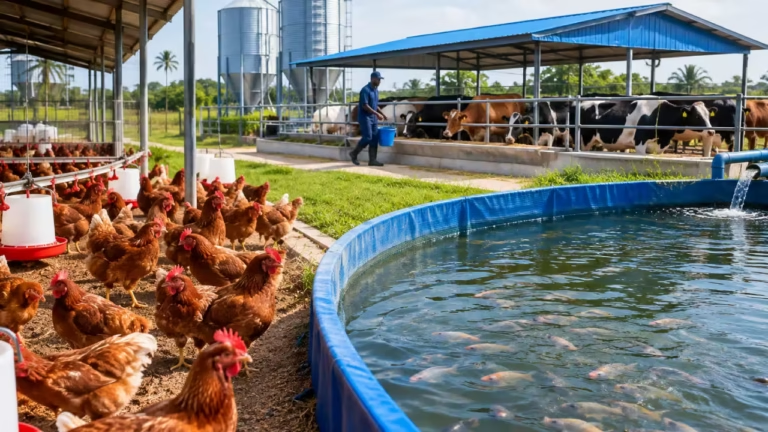
Scale matters when the goal is to make a meaningful contribution to food production and industrial supply. At Spring Valley Ranch, our agricultural activities span palm plantation development, cash crop production, poultry, fishery and animal husbandry.
Our palm plantation development and management alone covers more than 5,000 hectares. This scale gives us an opportunity to think beyond individual harvests and focus on building agricultural systems that can produce consistently over the long term.
Connecting Production to Industry
One of agriculture’s biggest opportunities is the relationship between farms and businesses. Manufacturers need raw materials, processors need agricultural products, exporters need consistent supply, and consumers need quality food.
Through opportunities for backward integration, businesses can partner with agricultural producers to develop selected crops around their specific raw material requirements. This creates a more direct relationship between what the market needs and what the farm produces.
Technology Has a Role
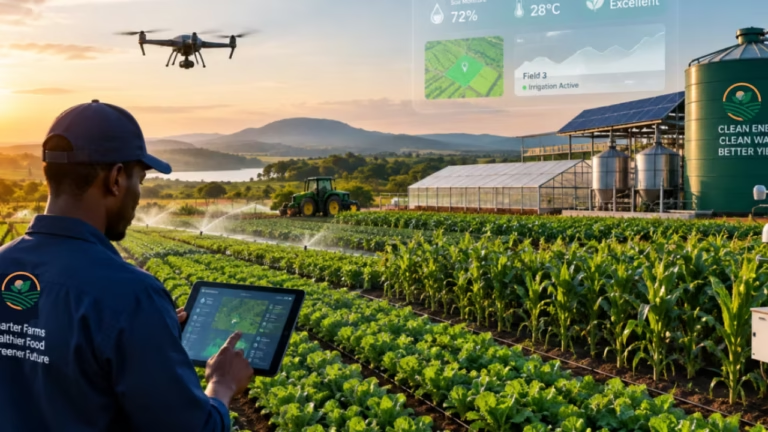
The future of agriculture will not be built by replacing people with technology. It will be built by giving people better tools. Technology can help agricultural businesses monitor operations, improve planning, manage resources, track production and make better decisions.
When combined with agricultural knowledge and experienced people, these tools can help farms operate more efficiently and sustainably. This is why our mission places people, nature and technology together.
Creating Value Beyond the Farm
A successful agricultural operation can have an impact far beyond its own boundaries. It can create employment, support local businesses, supply manufacturers, contribute to food security, and support exports.
At Spring Valley Ranch, we want our operations to contribute to that larger ecosystem by producing quality agro products while building systems capable of creating value for our stakeholders.
The Opportunity Ahead
Africa does not need to wait for the future of agriculture to arrive. We can build it. The opportunity is already here — in the land, in the people, in the markets and in the growing demand for food and agricultural raw materials.
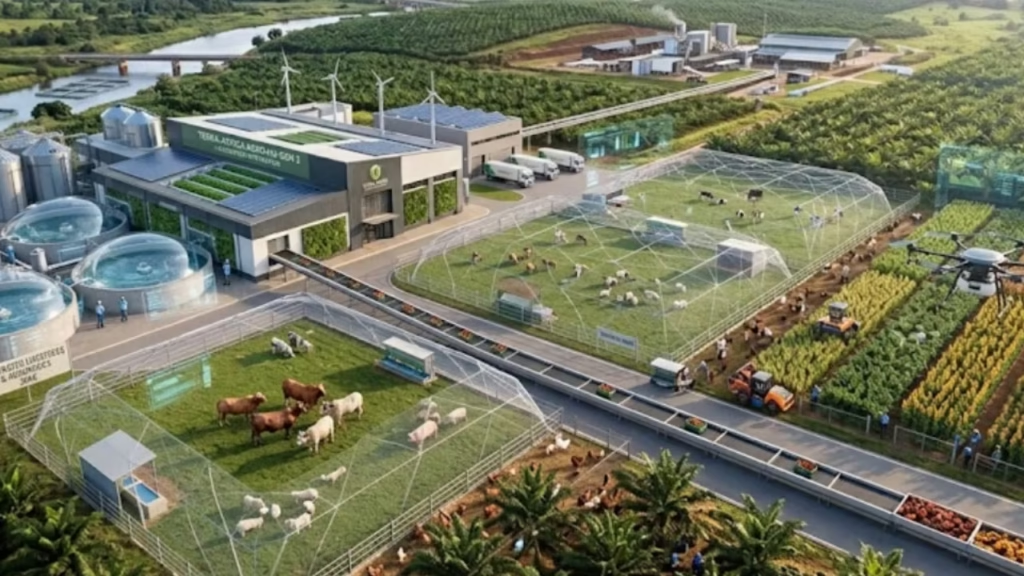
What we need are stronger systems capable of bringing these elements together. That is the direction we are taking at Spring Valley Ranch. We are developing farms, investing in processing, producing crops and protein, and creating opportunities for businesses to participate in agricultural development.
The land is here. The demand is growing. Now, we need to build the systems to connect them.